
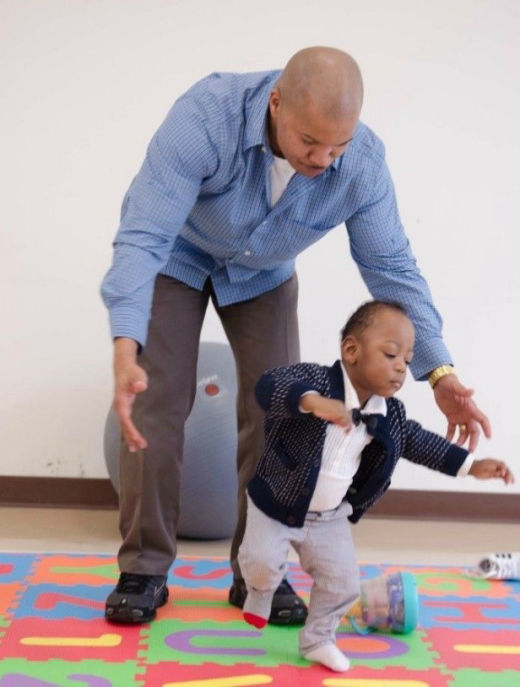
A trained therapist can use Play Therapy to observe and gain insights into a child’s
problems. The therapist can then help the child explore emotions and deal with
unresolved emotional issues. Through play, children can learn new coping
mechanisms and how to redirect inappropriate behaviors.
In Play Therapy Children Learn:
-to respect themselves
-to have empathy and respect for others
-to alleviate anxiety
-that their feelings are acceptable
-to express their feelings responsibly
-to assume responsibility for themselves
-to be creative and resourceful in resolving problems
-self-control and self-direction
-to accept themselves
-to make choices and to be responsible for their own choices
-to develop coping strategies after trauma or traumatic events
How it works:
When children are experiencing adverse personal issues, they will often act out or
engage in inappropriate behavior. Parents may be eager to help but may find it
difficult or impossible to offer effective aid if a child is unable or unwilling to discuss
the problem. Play therapy is thought to be one of the most beneficial means of
helping children who are experiencing emotional or behavioral challenges. Children
learn to understand the world and their place in it through play. It’s where they’re free
to act out their inner feelings and deepest emotions. Toys can act as symbols and
take on greater meaning — if you know what to look for.
Play therapy may be helpful in a variety of circumstances, such as:
-facing medical procedures, chronic illness, or palliative care
-developmental delay or learning disabilities
-problem behaviors in school
-aggressive or angry behavior
-family issues, like divorce, separation, or death of a close family member
-natural disasters or traumatic events
-domestic violence, abuse, or neglect
-anxiety, depression, grief
-eating and toileting disorders
-attention deficit hyperactivity disorder (ADHD)
-autism spectrum disorder (ASD)

2 Grasvoel Crescent,
Liefde-en-Vrede, 2190
Email:shelbynassifOT@gmail.com
Phone: +27 073 840 5840
+27 083 441 3747
Designed with Mobirise - Details here